Fuzz Testing in DAST: What it is and How to Implement it?
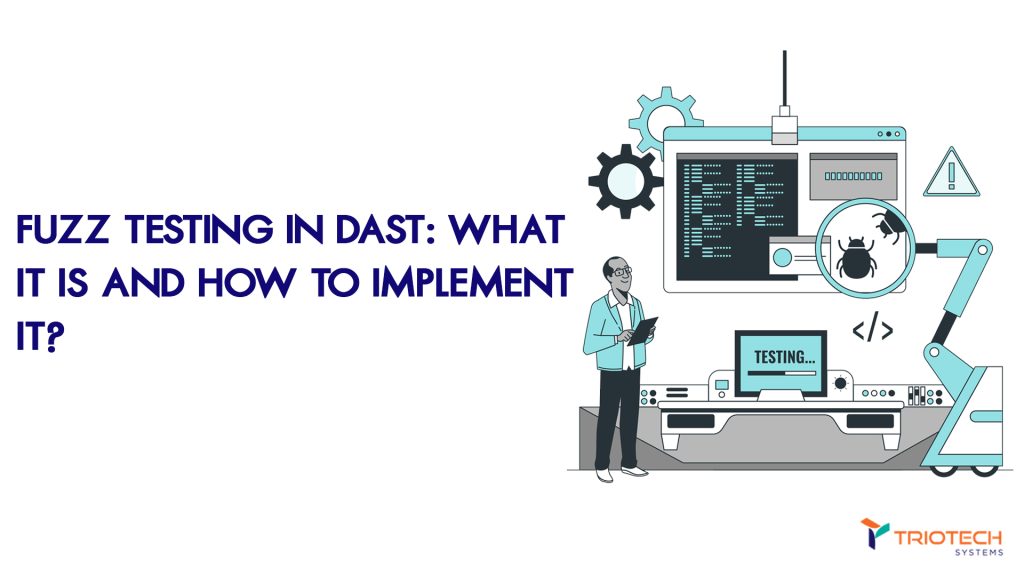
What Is Fuzz Testing in DAST?
Fuzz testing, or fuzzing, is a dynamic application security testing (DAST) technique that identifies vulnerabilities by sending malformed or unexpected inputs to an application. This method evaluates how the application reacts, uncovering potential flaws such as: Crashes, Unexpected behaviors, or Security Loopholes.
Dynamic Application Security Testing (DAST) enhances fuzz testing by simulating attacks in a running application environment, ensuring robust security checks against real-world threats.
Why Is Fuzz Testing Crucial for Application Security?
Fuzz testing is indispensable in uncovering hidden vulnerabilities that traditional testing might miss. Here’s why it’s essential:
- Detecting Zero-Day Vulnerabilities: Fuzzing identifies undisclosed vulnerabilities before attackers can exploit them.
- Improving Application Resilience: By exposing flaws, fuzz testing helps developers fortify applications.
- Ensuring Compliance: Security standards like OWASP Top 10 emphasize testing techniques, including fuzzing, to meet industry compliance requirements.
- Boosting End-User Trust: Secure applications build confidence among users and stakeholders.
How Does Fuzz Testing Work in DAST?
Fuzz testing in DAST operates by automating inputs into a running application. Here’s the process:
- Input Generation: Tools generate a wide range of random or malformed inputs.
- Injection: These inputs are sent to the application’s endpoints, APIs, or forms.
- Observation: The system monitors for abnormal behaviors such as crashes, memory leaks, or unauthorized data access.
- Analysis: Results are analyzed to pinpoint vulnerabilities and recommend remediation steps.
Implementing Fuzz Testing in DAST: A Step-by-Step Guide
1. Select the Right Fuzz Testing Tools
Popular tools for DAST fuzz testing include:
- Burp Suite: Ideal for web applications, providing dynamic analysis capabilities.
- AFL (American Fuzzy Lop): Effective for code-level fuzzing.
- OWASP ZAP: A widely used open-source DAST tool.
2. Define Test Cases and Inputs
Identify the application’s critical components and create test cases targeting:
- Authentication and authorization processes.
- API endpoints and integrations.
- Input fields like forms, file uploads, and search bars.
3. Integrate into CI/CD Pipelines
Incorporate fuzz testing in your continuous integration and continuous deployment workflows to:
- Automate regular testing.
- Catch vulnerabilities early in the development cycle.
4. Monitor and Analyze Results
Track responses like crashes or anomalous behaviors. Document the vulnerabilities, prioritize them based on severity, and assign remediation tasks.
5. Retest After Fixes
After addressing vulnerabilities, rerun fuzz testing to ensure fixes are effective and no new issues were introduced.
Best Practices for Effective Fuzz Testing in DAST
- Combine with Other Security Techniques: Use SAST and DAST together for comprehensive security.
- Regular Updates: Keep fuzzing tools updated with the latest vulnerability patterns.
- Focus on High-Risk Areas: Prioritize testing sensitive functionalities, such as authentication and data handling.
- Document Findings: Maintain detailed reports for compliance audits and development insights.
Example: Detecting Hidden Vulnerabilities with Fuzz Testing
Imagine an online banking application undergoing fuzz testing. The tool sends random and unexpected inputs to the account transfer feature.
During testing, it uncovers a vulnerability where certain invalid input formats bypass input validation, allowing unauthorized access to transaction details.
However, the bank ensures secure user transactions by identifying and fixing this issue early, thus preventing potential breaches.
Conclusion: Enhance Application Security with TRIOTECH SYSTEMS
Fuzz testing in DAST is a proven approach to uncover hidden vulnerabilities and ensure robust application security. By implementing this technique effectively, organizations can proactively safeguard their applications, reduce risks, and build trust with their users.
At TRIOTECH SYSTEMS, we offer tailored solutions that integrate advanced fuzz testing and dynamic application security testing into your development workflows.
Let us help you achieve top-notch application security:
Contact TRIOTECH SYSTEMS today to get started!
Read Also:
A Guide on How to Choose the Right DAST Tool!
How DAST Identifies Security Misconfiguration Vulnerabilities?
Keep reading

Managed DevOps Cloud Security Company: Best Practices & Benefits for Healthcare
In today’s rapidly evolving healthcare landscape, organizations face intense pressure to deliver secure, compliant, and innovative digital solutions while safeguarding sensitive patient data. A specialized managed…
Read article
The Top-Performing DevOps Tools in 2025
If you're looking to modernize your development workflow, the tools you use are no longer optional. The best DevOps teams in 2025 are defined not just…
Read article
How to Reduce Downtime During Software Updates
If your team loses sleep every time a software update goes live, the real issue isn’t the update — it’s the way it’s being deployed. To…
Read articleBuilding on AI or the cloud?
Get a security architect's review of your cloud, CI/CD and AI agent permissions. Free.