- [email protected]
- 150 King Street West Suite 392 Toronto, Ontario M5H 1J9
- +1 647-277-4813
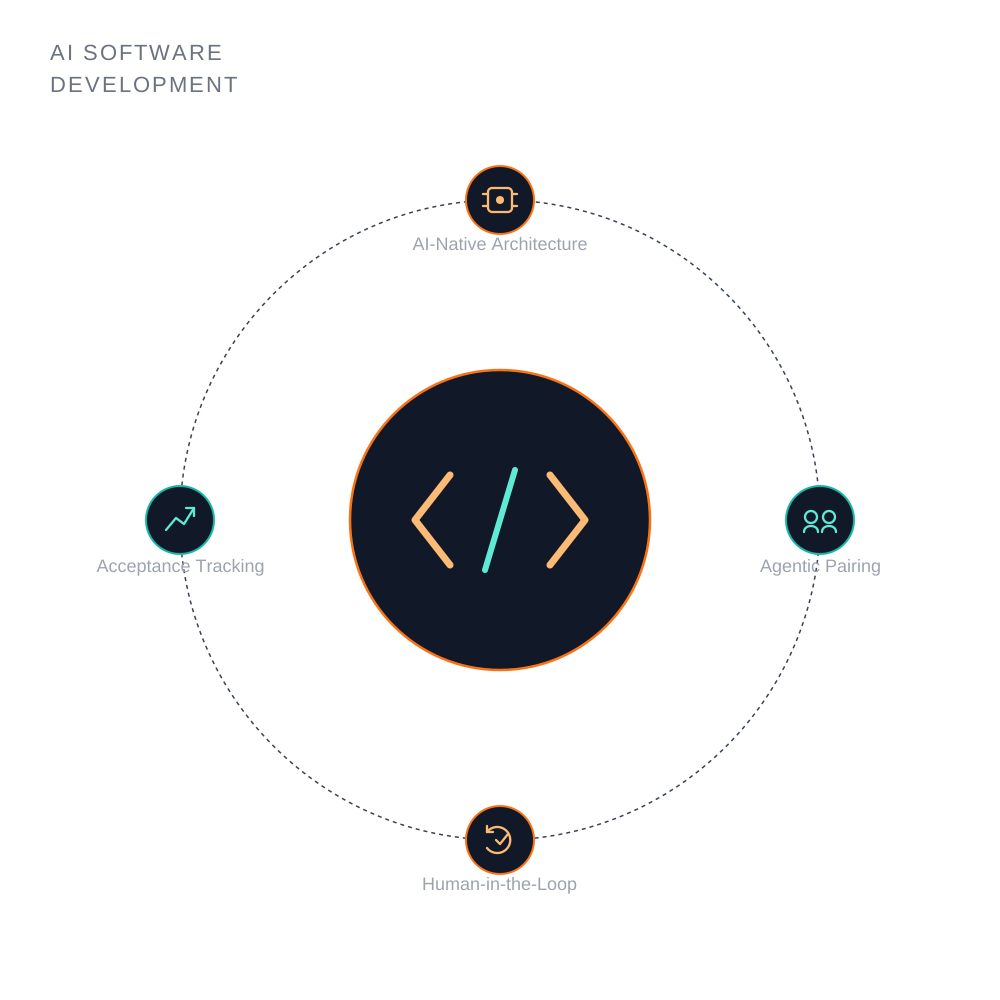
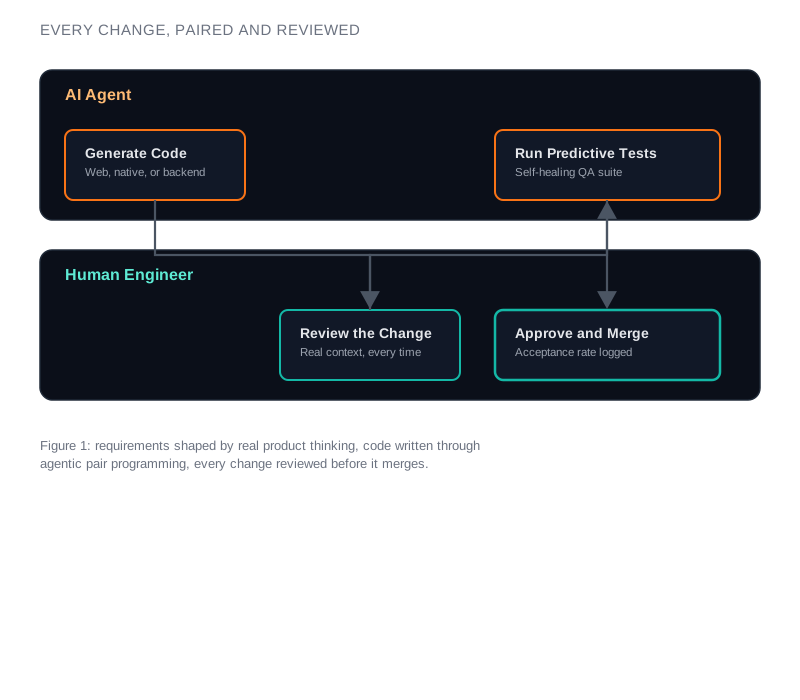
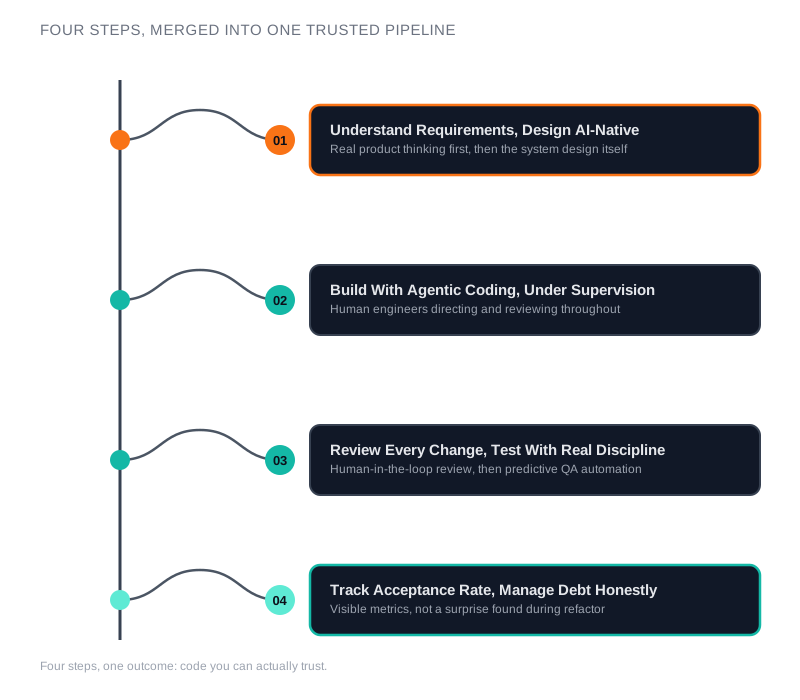
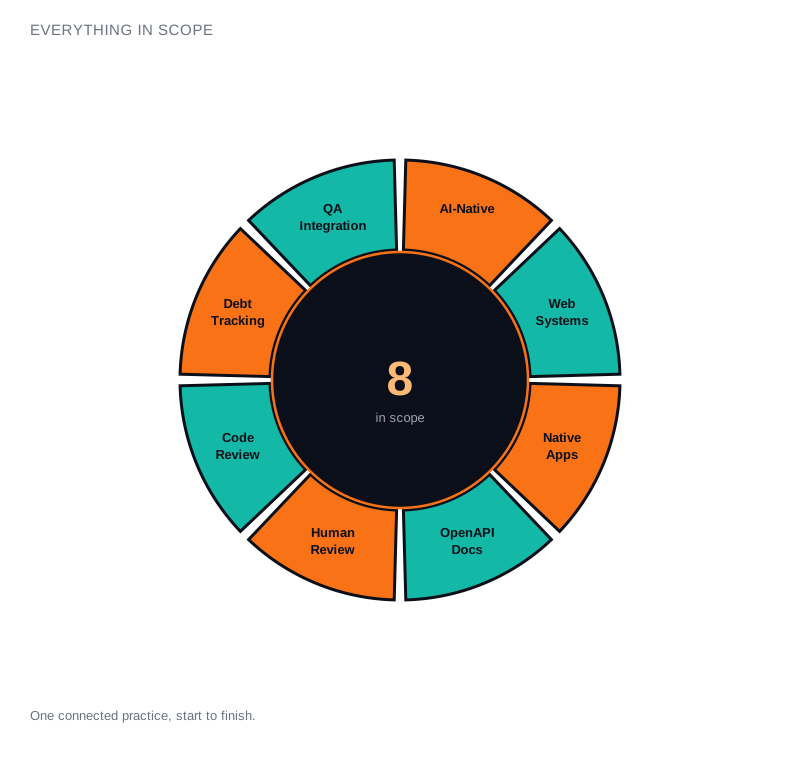
Taking the old model, where AI is bolted onto an unchanged process as autocomplete, and replacing it with language model integration woven into planning, code generation, review, and testing as connected steps. McKinsey found high-performing organizations are roughly three times more likely to have fundamentally redesigned their workflows around AI-augmented engineering. GitHub’s data shows over 40% of new code is now AI-generated, yet less than 44% of it gets accepted without modification. We built this practice to close that gap.
ONGOING →
2020mo
4
100%
Discover the experiences and feedback from Our Valued Clients.
Schedule a meeting with us to find out how TRIOTECH SYSTEMS can help your industry.

Fill in your details below and we'll get back to you!
We have received your inquiry and will get back to you soon
Everything you need to know about working with TRIOTECH SYSTEMS.
A traditional agency that added AI tools still runs the same process, just with faster typing. An AI-native shop redesigns planning, architecture, review, and testing around AI from the start, which is where the real productivity gains research shows up, not just in raw code output speed.
It can be, with real human review and testing, but not by default. Industry data shows less than 44% of AI-generated code gets accepted without modification, and a majority of enterprises are shipping untested AI-accelerated code. Safety comes from the review and testing process around the code, not from the code generation itself.
More than most teams expect going in, over half, by some current industry measures. That’s not necessarily a problem with AI code generation itself; it’s what happens when review and architecture discipline aren’t built around it from the start.
It means AI actively participates in planning, writing, reviewing, and testing code, not just autocompleting lines inside an otherwise unchanged process. The “augmented” part is doing real work throughout the lifecycle, not just at the typing stage.