How to Leverage SAST and DAST for Advanced Threat Modeling?
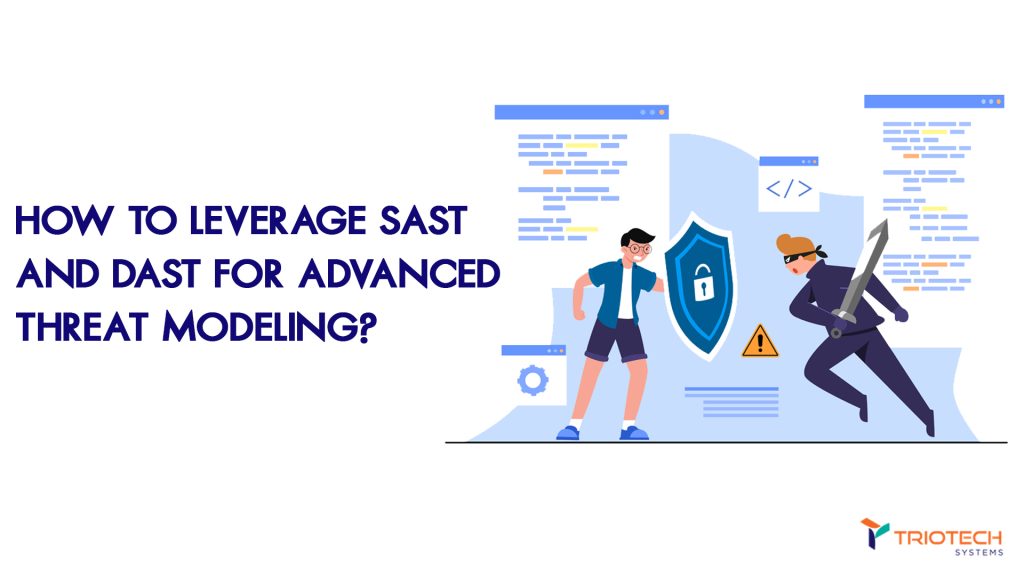
Advanced threat modeling is a critical component of cybersecurity, allowing organizations to identify, analyze, and mitigate potential risks before they escalate. By integrating SAST (Static Application Security Testing) and DAST (Dynamic Application Security Testing) into the threat modeling process, you can strengthen your defenses and proactively address vulnerabilities.
Here’s how SAST and DAST can enhance threat modeling in cybersecurity and safeguard your applications.
1. Understand Threat Modeling in Cybersecurity
Threat modeling involves systematically identifying security threats and vulnerabilities in your systems or applications. It’s a structured approach to foresee risks and develop countermeasures before exploitation occurs.
Key benefits:
- Proactive risk mitigation: Reduces the chances of a breach.
- Enhanced compliance: Aligns with standards like OWASP Top 10 and PCI DSS.
Incorporating SAST and DAST into this process ensures a comprehensive view of potential risks.
2. Use SAST for Early Detection
SAST focuses on analyzing source code, enabling developers to identify vulnerabilities during the development phase.
Key strategies:
- Automated scans: Integrate SAST into CI/CD pipelines for continuous testing.
- Focus on coding standards: Ensure compliance with secure coding practices.
With SAST, you address flaws early, reducing the cost and complexity of fixes.
3. Leverage DAST for Real-World Testing
While SAST analyzes code statically, DAST simulates real-world attacks to identify vulnerabilities in running applications.
Key advantages:
- Dynamic analysis: Detects runtime issues like authentication flaws or input validation errors.
- Broader coverage: Identifies threats that static analysis might miss.
By using DAST, you can validate your application’s resilience against external threats.
4. Combine SAST and DAST for Comprehensive Threat Modeling
When used together, SAST and DAST provide a holistic approach to threat modeling in cybersecurity.
Integration tips:
- Prioritize vulnerabilities: Use findings from both tools to focus on the most critical risks.
- Collaborative efforts: Ensure developers, testers, and security teams work together for effective remediation.
This dual approach minimizes blind spots and enhances application security.
5. Automate and Refine Your Threat Modeling Process
Continuous improvement is essential for effective threat modeling.
Best practices:
- Automate scans: Use automation to streamline SAST and DAST testing.
- Regular updates: Keep tools and rulesets updated to address emerging threats.
By refining your processes, you stay ahead of evolving risks.
TRIOTECH SYSTEMS: Your Partner in Application Security
At TRIOTECH SYSTEMS, we specialize in integrating advanced SAST and DAST strategies tailored to your organization. Our application security services ensure:
- Proactive vulnerability detection
- Compliance assurance
- End-to-end support
Secure your applications today! Contact TRIOTECH SYSTEMS for expert guidance.
Read Our Guides:
The Role of SAST and DAST in API Security Testing
How to Prioritize the Vulnerabilities Found in SAST/DAST Scans?
Keep reading

Managed DevOps Cloud Security Company: Best Practices & Benefits for Healthcare
In today’s rapidly evolving healthcare landscape, organizations face intense pressure to deliver secure, compliant, and innovative digital solutions while safeguarding sensitive patient data. A specialized managed…
Read article
The Top-Performing DevOps Tools in 2025
If you're looking to modernize your development workflow, the tools you use are no longer optional. The best DevOps teams in 2025 are defined not just…
Read article
How to Reduce Downtime During Software Updates
If your team loses sleep every time a software update goes live, the real issue isn’t the update — it’s the way it’s being deployed. To…
Read articleBuilding on AI or the cloud?
Get a security architect's review of your cloud, CI/CD and AI agent permissions. Free.