- [email protected]
- 150 King Street West Suite 392 Toronto, Ontario M5H 1J9
- +1 647-277-4813
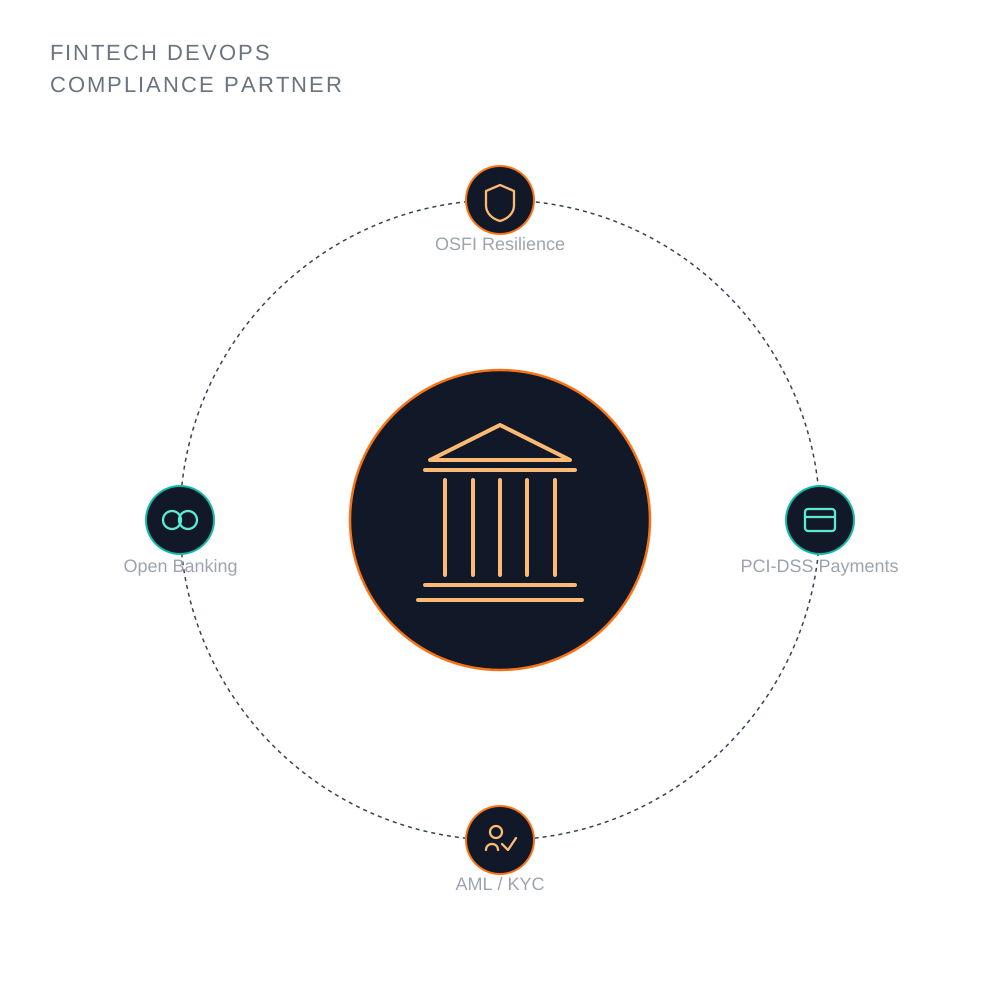
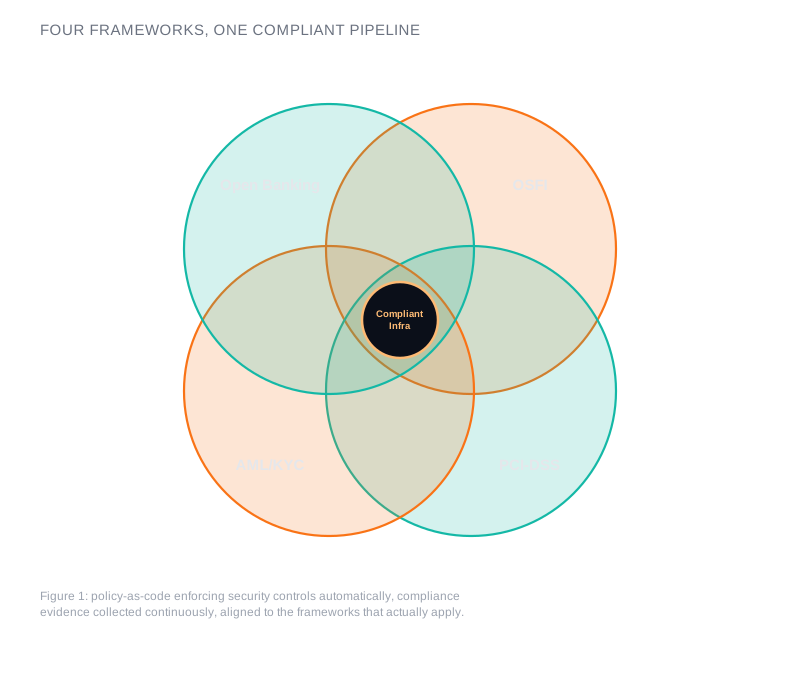
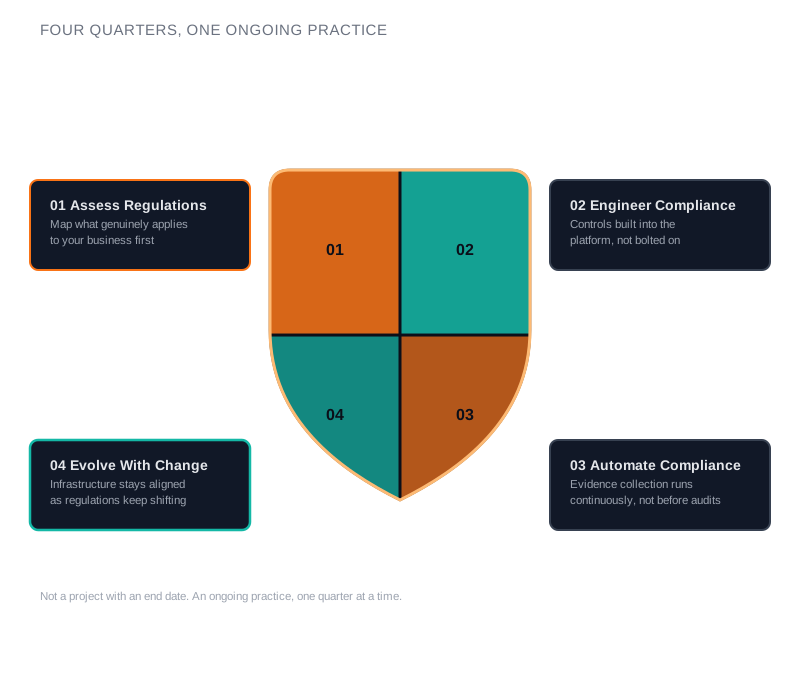
A fintech DevOps compliance partner combines security automation, compliance engineering, and cloud infrastructure specifically for financial technology companies. Instead of applying generic DevSecOps practices, the infrastructure is designed around the regulations fintech businesses actually answer to, including OSFI operational resilience, PCI-DSS, AML/KYC, third-party risk management, SOC 2, and Canada’s evolving open banking framework. Continuous evidence collection, policy-as-code, and automated security controls make compliance an ongoing engineering process rather than a project completed before an audit.
ONGOING →
2020
4
Audit Ready
Discover the experiences and feedback from Our Valued Clients.
Schedule a meeting with us to find out how TRIOTECH SYSTEMS can help your industry.

Fill in your details below and we'll get back to you!
We have received your inquiry and will get back to you soon
Everything you need to know about working with TRIOTECH SYSTEMS.
Generic DevSecOps focuses on security automation, scanning, and policy enforcement across software delivery. Fintech DevOps compliance adds the financial regulations your business actually answers to, including PCI-DSS, AML/KYC, OSFI operational resilience, third-party risk, and open banking requirements where applicable.
No. Whether OSFI guidance applies depends on your regulatory exposure and business model. Federally regulated institutions and organizations supporting them may require OSFI compliance, while many startups only need PCI-DSS or other applicable frameworks. We determine what genuinely applies before recommending any compliance work.
We begin by identifying the regulations your business must satisfy, then design cloud infrastructure, security controls, payment architecture, compliance automation, and monitoring around those requirements rather than applying a generic deployment template.
PCI-DSS infrastructure includes secure payment pipelines, encrypted cardholder data, controlled access, network segmentation, continuous logging, vulnerability management, and security controls that satisfy formal payment compliance requirements.